General Dentistry
Pinhole Surgery
Receding gums don't have to mean painful grafting surgery. Pinhole surgery treats gum recession with no stitches, no scalpel, and no donor tissue.
Gum recession happens when the gum tissue pulls back from the tooth, exposing the root underneath. Left untreated, it leads to tooth sensitivity, a higher risk of decay along the root, and over time, potential tooth loss. Many patients also dislike the appearance of longer-looking teeth that comes with significant recession.
The Pinhole Surgical Technique (PST) is a minimally invasive alternative to traditional gum grafting. Instead of removing tissue from the roof of your mouth and suturing it to the affected area, a small pinhole is made in the existing gum tissue. Specialized instruments gently loosen and reposition the gum to cover the exposed root. No cutting, no grafting, no stitches.
Because the procedure works with your existing tissue, recovery is significantly faster than traditional grafting. Most patients return to normal activities the same day. The pinhole itself closes within 24 hours, and results are visible immediately after treatment.
Pinhole surgery is best suited for patients with mild to moderate gum recession who do not have active gum disease. A consultation with Dr. Perry will include a full gum health evaluation to confirm whether PST is the right option for you, along with a detailed look at the extent of recession and a discussion of your treatment options.
If you have been told you need gum grafting, or if you have noticed your gums pulling back or your teeth becoming more sensitive, a pinhole surgery consultation is a good next step.
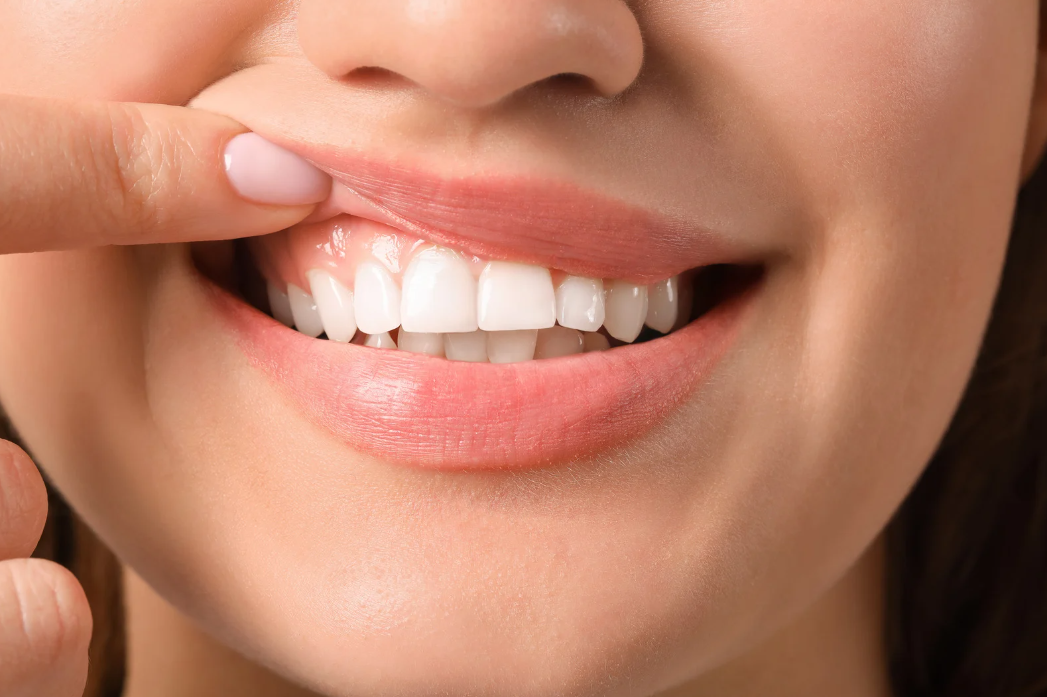
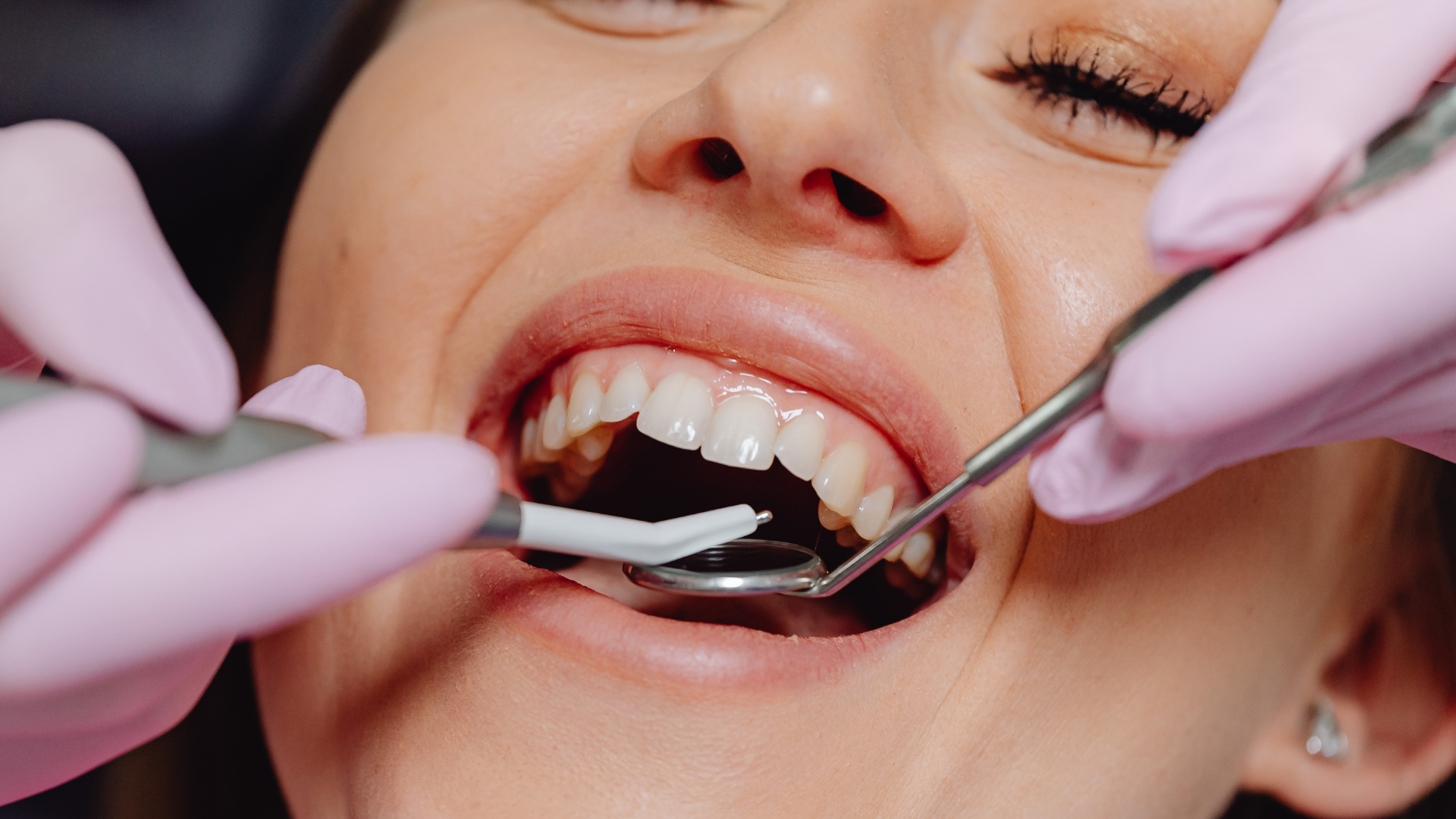
The procedure is performed under local anesthetic so you won't feel pain during treatment. Post-procedure discomfort is typically minimal compared to traditional grafting, and most patients manage comfortably without prescription pain medication.
Traditional grafting takes donor tissue from the roof of your mouth and sutures it to the receded area, creating two surgical sites and a longer recovery. Pinhole surgery repositions your existing gum tissue through a small opening, with no grafting, no stitches, and same-day recovery for most patients.
Gum recession can result from periodontal disease, aggressive brushing, grinding, aging, or genetics. Identifying the underlying cause is part of your consultation so we can make sure the results last.
Related Services
IV Sedation
Dentures
Dental Appliances

Explore Your Options
Not sure where to start? Whether you're ready to book or just want to , we're here to help guide you through your next step with care and confidence.